

-
Research Article
-
An Integrated ADL Anomaly Detection Method Based on Sleep and Occupancy Patterns Using Non-intrusive Indoor Environmental Sensors for Single-person Elderly Households
독거 노인 세대 대상 실내 환경 센서 기반 수면 ∙ 재실 패턴 통합 일상생활 이상 탐지 방법
-
Jun-Sub Kim, Soo-Hyun Cho, Juno Lee, Hyeun Jun Moon
김준섭, 조수현, 이준오, 문현준
- With population aging and the increase in single-person elderly households, continuous monitoring of daily living patterns has become increasingly important for supporting …
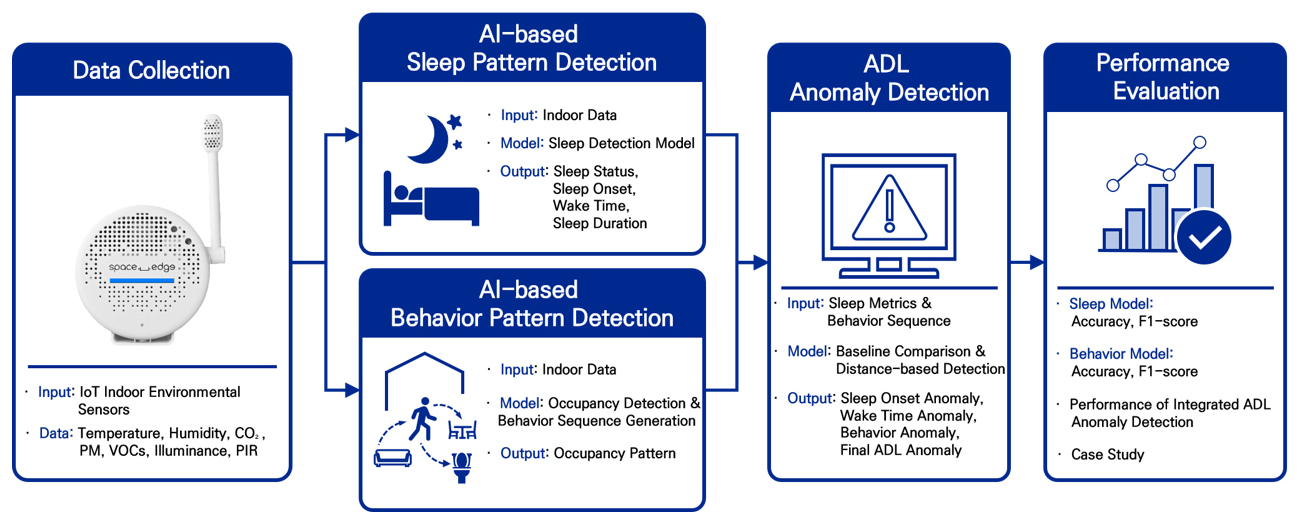
- With population aging and the increase in single-person elderly households, continuous monitoring of daily living patterns has become increasingly important for supporting older adults and vulnerable populations. This study proposes a non-intrusive Activities of Daily Living (ADL)-related anomaly detection framework using indoor environmental sensor data. The proposed framework estimates sleep patterns and room-stay patterns from temperature, humidity, CO2, particulate matters (PM2.5, PM10), VOCs, illuminance, and PIR (Passive Infrared) data collected by IoT sensors, and determines ADL-related anomalies by comparing daily patterns with individual baseline distributions. A sleep detection model was developed using 15-min sensor features, temporal contextual variables, and manually recorded sleep labels. The model was implemented as an ensemble classifier combining LightGBM and ExtraTrees, and achieved an F1-score of 0.93 in sleep/non-sleep classification. For behavior pattern analysis, room-level occupancy outputs were converted into daily behavior sequences consisting of room-stay tokens, and deviations from individual baseline routines were quantified using normalized edit distance. Sleep anomalies and behavior sequence anomalies were then integrated using a rule-based decision structure. The proposed framework was further applied to 100 single-person elderly households that was not included in the model training process. The proposed method was able to detect a case of a behavior pattern anomaly, which include no valid sleep episode within the sleep evaluation window, and missing behavior sequences in the selected household. The observed event was later confirmed as hospitalization of the resident. These findings suggest that non-intrusive indoor environmental sensors may support the early detection of ADL-related changes without requiring wearable devices or camera-based monitoring. - COLLAPSE
-
An Integrated ADL Anomaly Detection Method Based on Sleep and Occupancy Patterns Using Non-intrusive Indoor Environmental Sensors for Single-person Elderly Households
-
Research Article
-
Demonstration and Analysis of Reinforcement Learning-Based Building Autonomous Control for a Large Retail Facility in Cooling Season
심층강화학습 기반의 건물 자율운전 모델 개발 및 대형 판매시설 대상 냉방기 실증
-
Juno Lee, Jun-Sub Kim, Seong-Woo Park, Hyeun Jun Moon
이준오, 김준섭, 박성우, 문현준
- This study evaluated the field performance of an artificial intelligence-based autonomous building control (aiBAC) model in a large retail building during the …
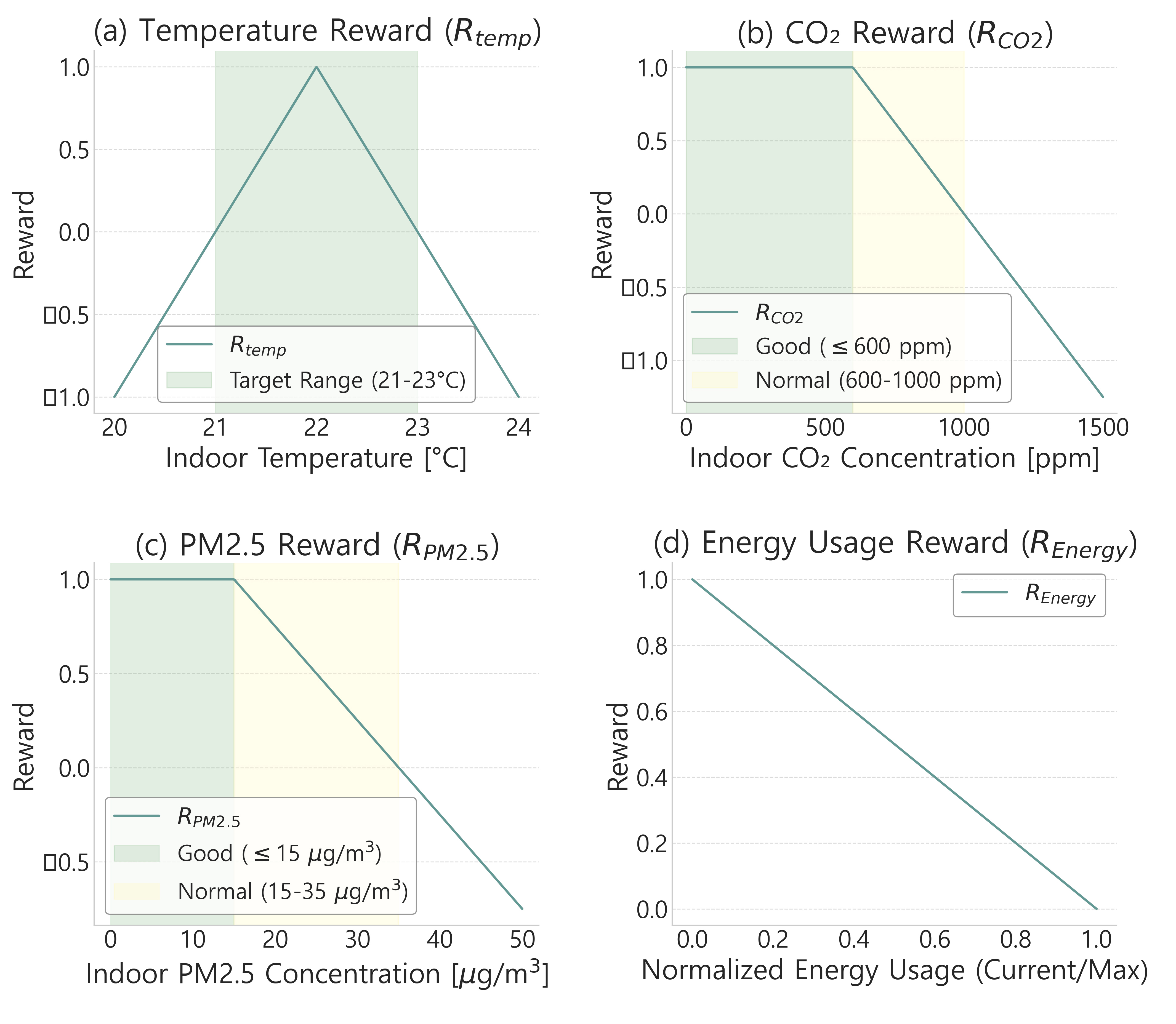
- This study evaluated the field performance of an artificial intelligence-based autonomous building control (aiBAC) model in a large retail building during the summer season. The control model was developed using reinforcement learning and pre-trained in a hybrid simulation environment to ensure stable operation under real building conditions. A total of 50 valid operating days were analyzed, including 29 days under conventional control and 21 days under autonomous control. Energy performance was assessed using gas consumption, while thermal comfort performance was evaluated using the thermal compliance ratio and mean out-of-band intensity. The results showed that the autonomous control reduced daily gas consumption by 9.2% compared with conventional control. In addition, the temperature compliance ratio improved from 51.4% to 74.6%, while the mean out-of-band intensity decreased from 0.82°C to 0.55°C, indicating improved thermal comfort and more stable indoor temperature control. Further analysis under different outdoor temperature and occupancy conditions confirmed consistent energy-saving performance. These findings demonstrate that reinforcement learning-based autonomous control can simultaneously improve energy efficiency and thermal comfort in real-world retail buildings and has strong potential for practical application in intelligent building energy management. - COLLAPSE
-
Demonstration and Analysis of Reinforcement Learning-Based Building Autonomous Control for a Large Retail Facility in Cooling Season
-
Research Article
-
Associations of Total Physical Activity and Moderate-to-Vigorous Physical Activity with Phase Angle in Korean Adults: Findings from the 2024 Korea National Health and Nutrition Examination Survey
한국 성인의 총신체활동량 및 중 ∙ 고강도 신체활동과 위상각 간의 관련성: 2024년 국민건강영양조사 자료 분석
-
Boo-Geun Hwang
황부근
- This study investigated the associations of total physical activity (TPA) and moderate-to-vigorous physical activity (MVPA) with phase angle (PhA) among Korean adults. …
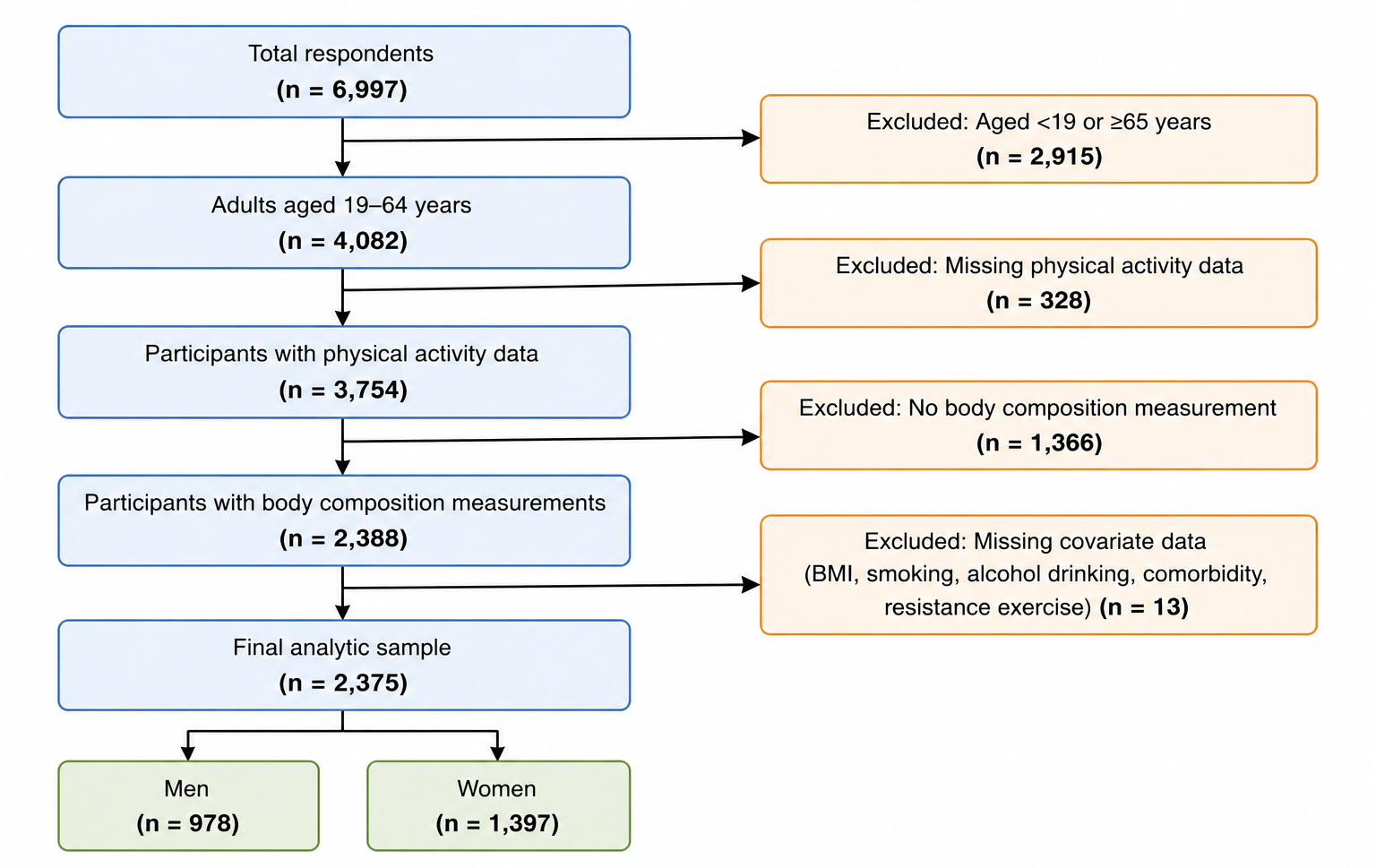
- This study investigated the associations of total physical activity (TPA) and moderate-to-vigorous physical activity (MVPA) with phase angle (PhA) among Korean adults. This cross-sectional study included 2,375 adults aged 19–64 years from the 2024 Korea National Health and Nutrition Examination Survey (KNHANES). Physical activity was assessed using the KNHANES physical activity questionnaire and expressed as metabolic equivalent task (MET)-min/week. TPA was categorized into sex-specific quartiles, whereas MVPA was classified as inactive (0 MET-min/week), insufficiently active (1–599 MET-min/week), and sufficiently active (≥600 MET-min/week). PhA was measured using bioelectrical impedance analysis. Complex sample general linear models and complex sample linear regression analyses were performed after adjusting for age, body mass index, smoking status, alcohol consumption, comorbidity, and muscle-strengthening exercise participation. TPA was not significantly associated with PhA in either men or women. In contrast, MVPA showed sex-specific associations with PhA. In men, a significant positive linear trend in PhA across increasing MVPA levels remained after adjustment for all covariates, including muscle-strengthening exercise (p for trend = .038). In women, the positive linear trend observed in Model 1 was no longer significant after additional adjustment for muscle-strengthening exercise, although the insufficiently active group had a significantly higher PhA than the inactive group. These findings suggest that physical activity intensity may be more relevant to PhA than total physical activity volume, particularly among Korean men. - COLLAPSE
-
Associations of Total Physical Activity and Moderate-to-Vigorous Physical Activity with Phase Angle in Korean Adults: Findings from the 2024 Korea National Health and Nutrition Examination Survey
-
Research Article
-
Factors Influencing the Psychosocial Health of Clinical Nurses: Application of the Socio-Ecological Model
임상간호사의 사회심리적 건강에 영향을 미치는 요인: 사회생태학적 모형 적용
-
Eun-Mi Ji, Mi-Young Chon
지은미, 전미영
- The purpose of this study was to examine factors influencing the psychosocial health of clinical nurses using the socio-ecological model. A survey …
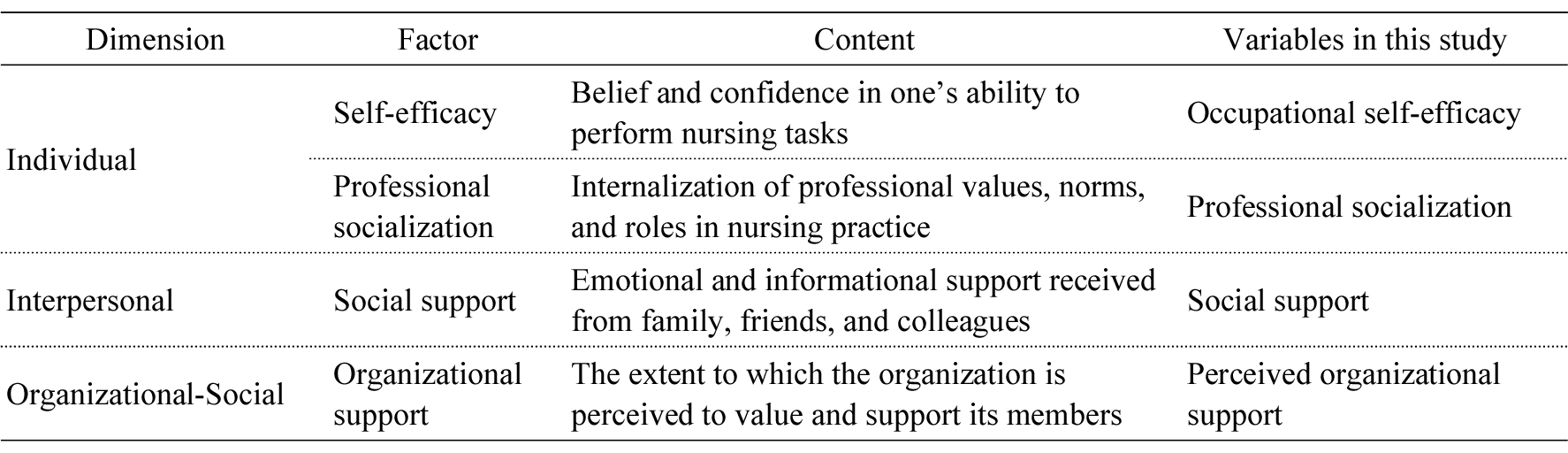
- The purpose of this study was to examine factors influencing the psychosocial health of clinical nurses using the socio-ecological model. A survey was conducted with 184 nurses at a tertiary general hospital in Seoul, and hierarchical multiple regression analysis was applied to examine individual, interpersonal, and organizational-social predictors. Results showed that the psychosocial health of clinical nurses was generally classified into the latent stress group. Among the predictors, occupational self-efficacy (β = –.28, p < .001) was a major factor, followed by social support (β = –.25, p = .001) and perceived organizational support (β = –.19, p = .009), all of which had significant effects on psychosocial health. Professional socialization was significant in the initial model but lost its influence when other variables were included. The final model explained 25.7% of the variance in psychosocial health. These findings highlight the importance of enhancing occupational self-efficacy, strengthening social support systems, and expanding organizational support to improve the psychosocial health of clinical nurses. This study provides theoretical and practical implications for promoting nurses’ psychosocial health. - COLLAPSE
-
Factors Influencing the Psychosocial Health of Clinical Nurses: Application of the Socio-Ecological Model
-
Research Article
-
Changes in Neuromuscular and Hemodynamic Fatigue During the Maximal Holding Phase of Korean Traditional Archery
전통 활쏘기 최대 굳히기 동작 시의 신경근 및 혈역학적 피로 변화
-
Hansol Jeong, Jiye Yu, Hyo-Jin Kim, Changsun Kim
정한솔, 유지예, 김효진, 김창선
- Korean traditional archery requires prolonged isometric muscle contraction during the maximal holding phase. This study investigated muscle fatigue characteristics during Korean traditional …
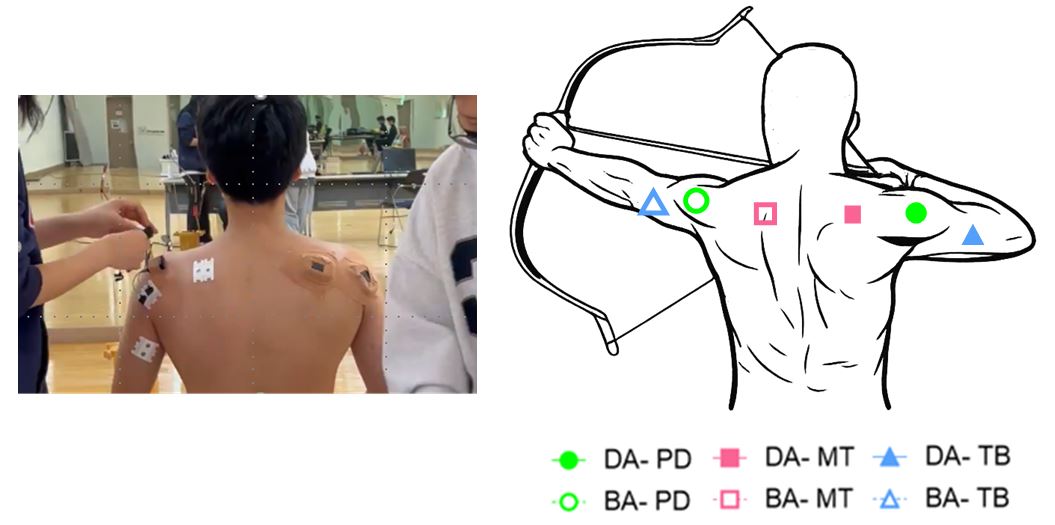
- Korean traditional archery requires prolonged isometric muscle contraction during the maximal holding phase. This study investigated muscle fatigue characteristics during Korean traditional archery by simultaneously analyzing muscle activation and muscle oxygen saturation. Twenty-eight experienced Korean traditional archers (42.0 ± 18.4 aged) participated in this study. Surface electromyography (EMG) and near-infrared spectroscopy (NIRS) were simultaneously used to assess the posterior deltoid (PD), middle trapezius (MT), and triceps brachii (TB) of the draw arm (DA) and bow arm (BA). Muscle activity was quantified using normalized EMG amplitude (%MVC) and mean frequency (MNF), whereas muscle oxygen saturation (SmO2) was used as an index of local muscle oxygenation. Variables were analyzed at full draw, release, and across four time-normalized quartiles during the maximal holding phase. During the maximal holding phase, %MVC progressively increased in all muscles and was significantly greater in the BA than in the DA (p < .01~.001). In contrast, MNF progressively decreased from full draw to release and across quartiles in both arms (p < .001), indicating the development of neuromuscular fatigue. SmO2 also decreased significantly over time, with greater reductions observed in the BA of PD and TB compared with the DA (p < .05~.001). Correlation analyses revealed negative associations between SmO2 and %MVC and between %MVC and MNF, whereas SmO2 was positively correlated with MNF (p < .01). The maximal holding phase of Korean traditional archery induces concurrent neuromuscular and hemodynamic fatigue. The posterior deltoid (PD) and triceps brachii (TB) of the bow arm (BA) exhibited the greatest fatigue-related responses, suggesting that these muscles play a critical role in maintaining shooting stability. Combined EMG and NIRS assessment may provide a useful approach for monitoring fatigue and developing evidence-based training strategies for traditional archers. - COLLAPSE
-
Changes in Neuromuscular and Hemodynamic Fatigue During the Maximal Holding Phase of Korean Traditional Archery
-
Research Article
-
Workplace-Based Multicomponent Weight Management Interventions for Employees with Overweight or Obesity: A Systematic Review
과체중 또는 비만 근로자를 위한 직장 기반 다요소 체중관리 중재: 체계적 문헌고찰
-
Yesol Kim, Seonhye Lee, Haeyoung Min, Sohee Jung, A-young Jo, Hyeonji Kang
김예솔, 이선혜, 민해영, 정소희, 조아영, 강현지
- This study systematically reviewed workplace-based multicomponent weight management interventions for employees with overweight or obesity and identified intervention components, providers, delivery characteristics, …
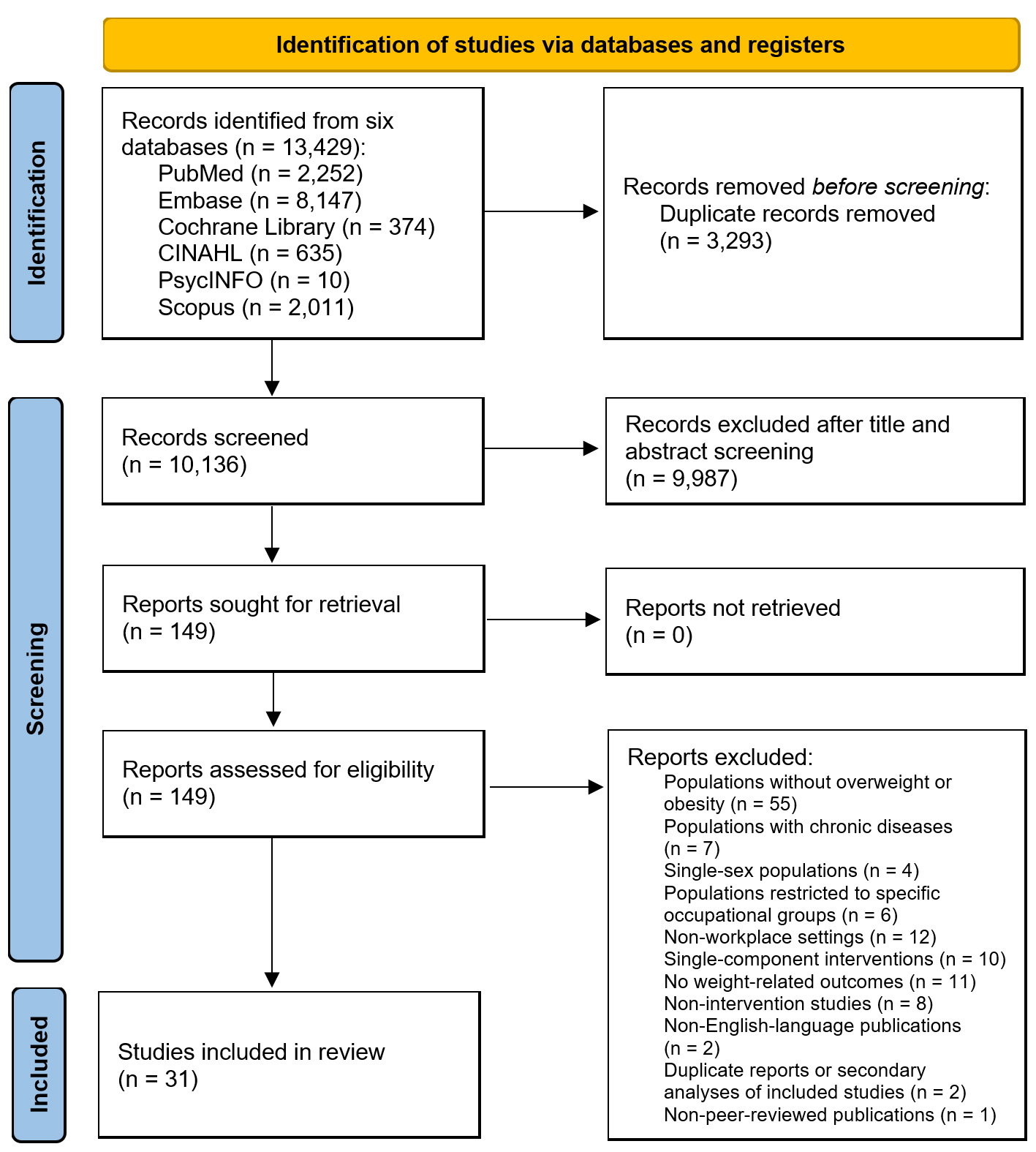
- This study systematically reviewed workplace-based multicomponent weight management interventions for employees with overweight or obesity and identified intervention components, providers, delivery characteristics, and outcomes. Following the Preferred Reporting Items for Systematic Reviews and Meta-Analyses 2020 guidelines, six electronic databases were searched using eligibility criteria based on the Population, Intervention, Comparator, and Outcome framework. Methodological quality was assessed using the Joanna Briggs Institute critical appraisal tools. Thirty-one studies were included. More than half were conducted in the United States, and 14 (45.2%) were randomized controlled trials. All interventions included behavioral/self- management strategies; nutrition, physical activity, and counseling/coaching were also common. Dietitians or nutrition professionals were the most frequently reported providers, followed by physical activity professionals and health or lifestyle coaches, whereas nurses and physicians participated less often. Hybrid delivery combining face-to-face and digital approaches was most frequent, and digital technologies were used in 23 studies (74.2%). All studies assessed anthropometric or obesity-related outcomes, most commonly weight or weight change (96.8%) and body mass index (77.4%). Cardiometabolic/physical health, behavioral, and psychosocial outcomes were also reported, whereas workplace-related outcomes were rarely assessed. Only seven studies conducted postintervention follow-up. Future studies should standardize process measures and evaluate long-term and organizational outcomes. - COLLAPSE
-
Workplace-Based Multicomponent Weight Management Interventions for Employees with Overweight or Obesity: A Systematic Review
-
Research Article
-
A Scoping Review of Office Acoustic Environment Research: Occupant Responses, Acoustic Stimuli, and Sound Masking Control Strategies
오피스 음환경 연구에 관한 주제범위 문헌고찰: 재실자 반응, 음향 자극 및 음향 마스킹 제어 전략을 중심으로
-
Ming-He Bi, Geon-Hee Kim, Joo-Young Hong
필명화, 김건희, 홍주영
- This study systematically reviews evaluation methods, acoustic stimuli, and sound masking and control strategies in office acoustic-environment research, and identifies recent research …
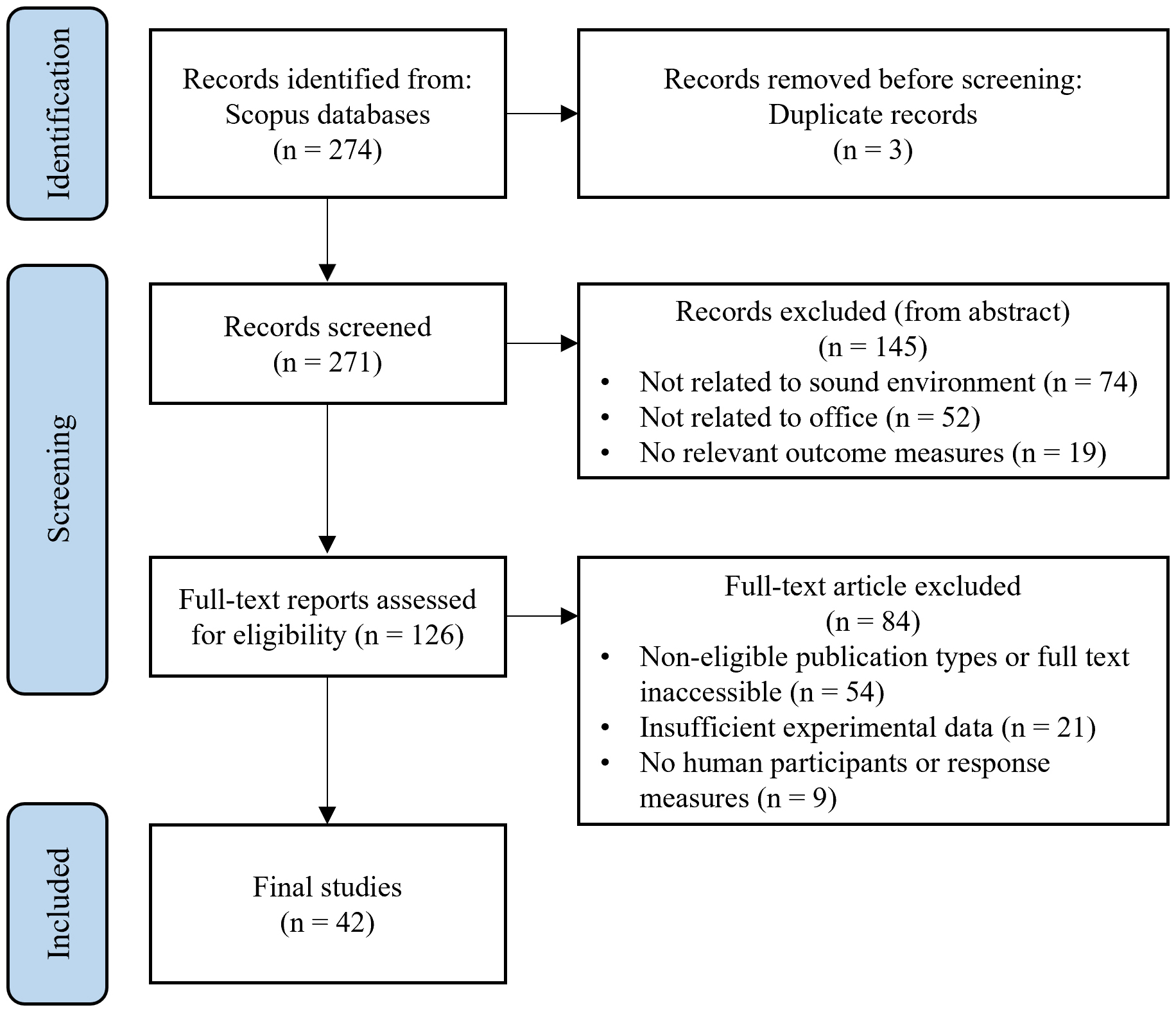
- This study systematically reviews evaluation methods, acoustic stimuli, and sound masking and control strategies in office acoustic-environment research, and identifies recent research trends and gaps. To achieve this, a scoping review was conducted on academic studies related to office acoustic environments and soundscapes published since 2000. Office acoustic environment research was classified into three categories: (1) occupant response evaluation, (2) acoustic stimulus application, and (3) sound masking and control strategies. Many previous studies primarily assessed occupant responses using subjective questionnaires and physical noise indicators. However, recent research has increasingly expanded toward integrated approaches combining cognitive tasks and physiological indicators to evaluate both work performance and acoustic comfort. In addition, early studies primarily employed speech-related sounds and artificial masking noises based on white noise, whereas recent research has increasingly incorporated natural and biophilic sounds. In terms of acoustic control strategies, fixed-condition masking approaches were dominant in earlier studies, while adaptive and user-customized control methods adjusted according to occupant characteristics and contextual conditions have increasingly been investigated. This study systematically analyzes the trends and characteristics of office acoustic environment research and is expected to provide foundational insights for future human-centered soundscape design and adaptive acoustic control studies. - COLLAPSE
-
A Scoping Review of Office Acoustic Environment Research: Occupant Responses, Acoustic Stimuli, and Sound Masking Control Strategies

Journal Informaiton
 Journal of The Korean Society of Living Environmental System
Journal of The Korean Society of Living Environmental System









 The Korean Society of Living Environmental System
한국생활환경학회
(06130) 서울시 강남구 테헤란로7길 22 한국과학기술회관 1관 501호(역삼동)
Tel: 02-2291-3501 / Fax: 02-2291-3505 / E-mail: living@ksles.org Copyright© The Korean Society of Living Environmental System. Powered by APUB
Tel: 02-2291-3501 / Fax: 02-2291-3505 / E-mail: living@ksles.org Copyright© The Korean Society of Living Environmental System. Powered by APUB